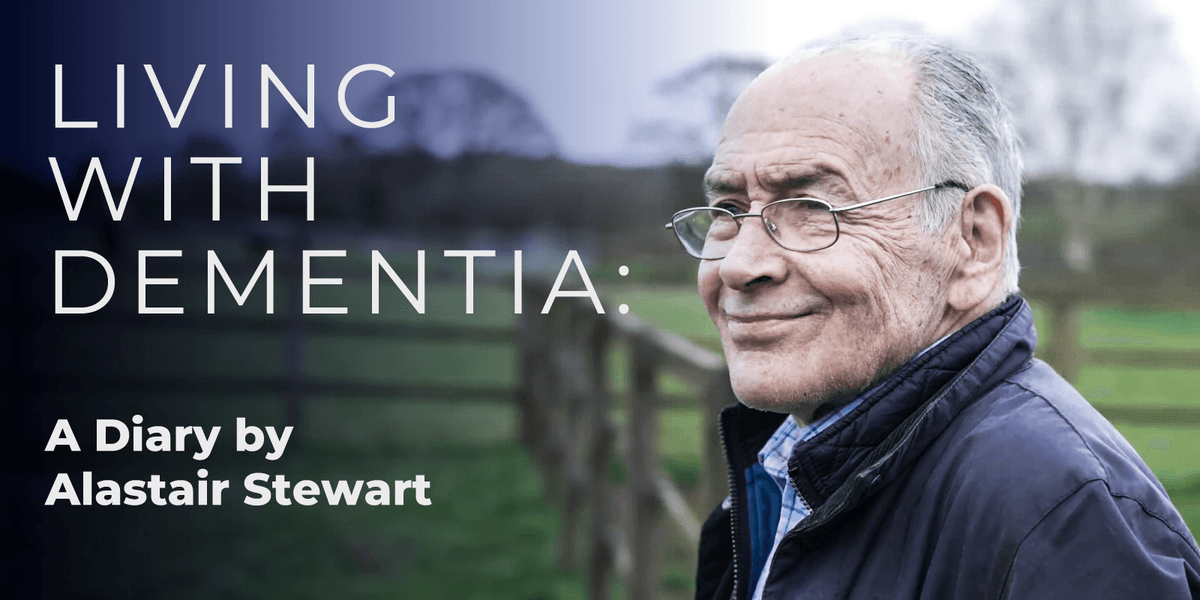
Alastair Stewart sheds light on his diagnosis, entertaining loved ones and Andy Burnham's significant intervention on social care
We luxuriated in the generous hospitality of good friends this week and were able to entertain friends too.
Lord and Lady Wakeham are two of our most stalwart and closest friends outside the television industry. I have known and admired John since the Thatcher years.
They live in the lovely village of Alresford. John has long been my top go-to source for wisdom and history on modern politics.
He served in every one of Margaret Thatcher's Cabinets and, like Willie Whitelaw, became one of her most loyal and trusted confidants and advisers. Alison had been one of Margaret's "blue stocking brigade" as a private secretary.
She and Sally are joint patrons of our local Home-Start group. Both mothers and very able women. They are a formidable double act to the benefit of less fortunate young children and families.
The Wakehams invited us to lunch last week with the Bottomleys, old friends of ours and theirs. I had known Virginia well when she was health secretary and later culture secretary. She had also been MP for Surrey Southwest, which included my mother's hometown of Farnham.
She has always been fun and a loyal friend. In retirement she became an active working peer and a public sector headhunter with Odgers.
Knowing of my dementia, she questioned the diagnosis, saying I was as sharp as ever and seemed to remember everything.
She asked if I knew Gavin Patterson, the former boss of BT. I said yes, we had once had a long conversation about BT's rather odd interest in television, especially sport.
She told me she had recently persuaded him to become Chair of Alzheimer's Research UK.
She also remembered I had gone to Bristol University. They were looking for a new Chancellor.
Also at the lunch was Colonel Charles Ackroyd, Vice Lord-Lieutenant of Hampshire.
When the conversation turned to horses, he spoke very knowledgeably, so I asked whether he had served in a cavalry regiment. He almost chortled as he replied: "No, I was a Para."
Harriet Bridgeman was there too. She founded the Bridgeman Art Library. Her husband, Viscount Robin Bridgeman, died earlier this year. The business is rather like Getty Images for fine art and holds many copyrights for prints, postcards, and other reproductions.
She was charming and Sally, a lover and student of art, nattered away happily.
Virginia asked me what problems I had with dementia. I told her about codes, passwords, and our increasingly online lives. She agreed it was a nightmare. Coupled with the difficulty of talking to a human being on the telephone, she thought all the "we value your custom" slogans were modern nonsense that contributed to a wider national frustration, reflected in the Brexit debate and referendum.
I told her, as a former health secretary, she would not be surprised to hear that I think the NHS App is one of the worst offenders.
For some reason, the conversation turned to geopolitics. We all reflected on the fall of the Berlin Wall and the collapse of Communism. Peter said he had won a sweepstake at a dinner with German political friends by correctly predicting the date.
For me, it remains the most important event I witnessed in my adult life.
I asked Colonel Ackroyd whether he had ever travelled on the East-West military train that still runs under treaty arrangements to demonstrate Allied rights of access. He said he had not. I told him I had and still have a souvenir bottle of wine from the journey.
It was a fabulous lunch and the conversation, especially on politics, was exemplary.
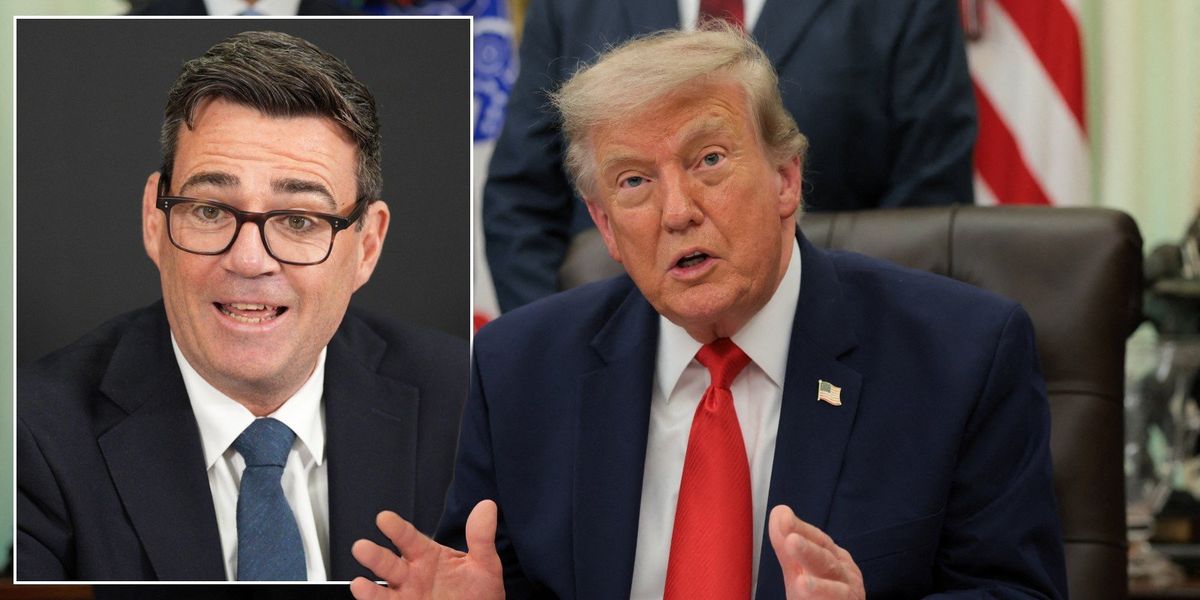
On the political front, Andy Burnham made a significant intervention on social care, so important to everyone, especially those of us living with conditions such as dementia and Parkinson's.
The Prime Minister said he wanted problem-solving, not point-scoring: a welcome mantra.
He also announced a raft of new technical qualifications for young people. The brilliant Alan Milburn has been working hard and imaginatively on the hideous problem of NEETs, young people not in education, employment, or training.
There now seems to be broad agreement that university is not the only, or even the best, route for everyone, let alone half of all young people, as once envisaged.
Our two eldest children both chose university and it worked out well for them. Our two less academic sons chose equestrianism as both a sport and a business.
Freddie studied Business at Alton College. He now owns and runs a successful livery, trading and training equestrian centre.
Our youngest left school to take the Advanced Apprenticeship in Sporting Excellence. This week, he rode one of Freddie's horses in competition at Chard and they qualified for the Horse of the Year Show in October — a major triumph for the brothers and their business. We are all thrilled and enormously proud.
My old university friend, Ruari McCallion, who has been a loyal and generous friend since my diagnosis, regularly takes me out for tea and a chat. This week, he, his wife, daughter, son-in-law and two grandchildren came for tea and to see the animals.
The children were fascinated by all our livestock, but especially enjoyed the tortoise, the donkeys and Dormouse, the Exmoor pony. Sally explained their history and told them all about rare breeds and why looking after them matters.
Finally, our dear friend Daisy Bunn invited us to Hickstead, established and owned by her family.
We had a glorious lunch in the Directors' Box before watching the British leg of the Nations Cup from the balcony, which Team GB won, beating Brazil, France, Germany and the United Arab Emirates.
Also, there was Elizabeth Whitaker, wife of William, one of the younger stars of this famous show-jumping dynasty. Oscar trained with William's brother George, and they have all remained friends and kind supporters.
Also present was Jim Eyre, Chief Executive of British Equestrian, together with Richard Davison and his wife Gillian, both leading figures in the world of dressage.
Hickstead never fails to thrill — and the Bunn family are brilliant hosts.