The question is not whether Burnham sounds different from Keir Starmer, but whether Britain’s trajectory improves under his Government, writes the US columnist
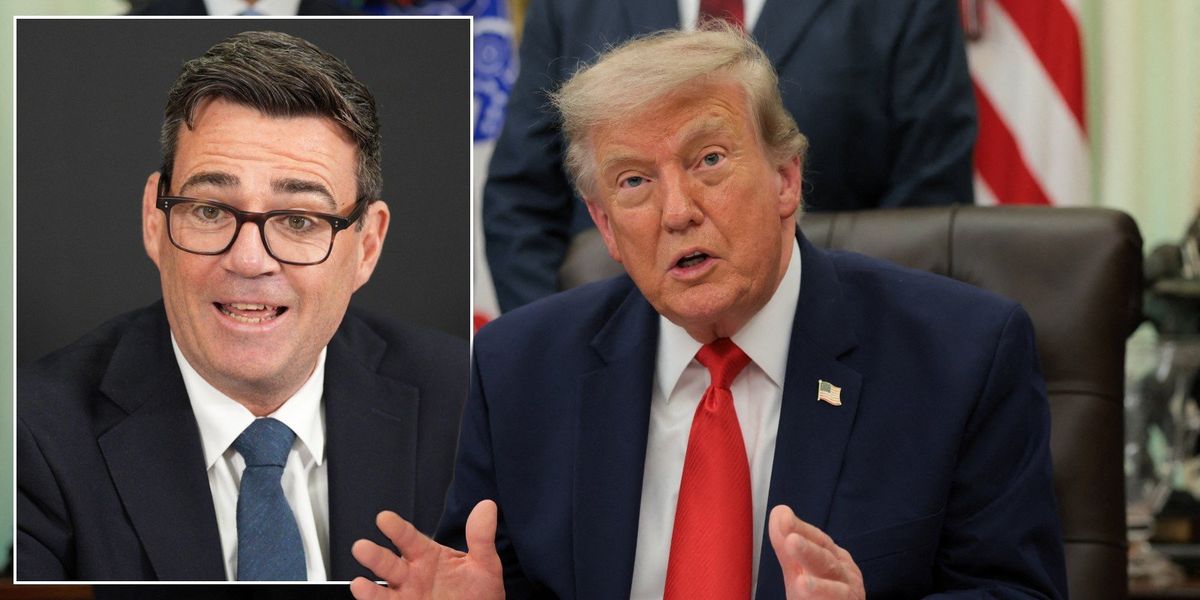
Donald Trump is not known for being a pushover. When GB News asked him this week about Britain's new Prime Minister, he did not offer gratuitous warmth simply because Britain is America’s staunch partner. Indeed, he refrained from joining Westminster's celebration of Burnham's early polling bounce — instead reinforcing his blunt warning that the migrant crisis was "killing your country".
In an interview with GB News, Trump said there was one point he had to get across to Burnham: Britain's migration situation demands urgent action.
"He's going to have to mention it because it's killing your country," Trump stated, adding that people were "coming from all over the world" and describing the flow as an "invasion", with the UK a "prime suspect".
Burnham had insisted that illegal crossings had fallen and Labour's plan was working; Trump framed that optimism as dangerously out of touch. That exchange revealed something more important than another poll. Westminster believes Britain has changed Governments; Trump is rightly sceptical that Britain has merely changed the person delivering the same message.
He is unlikely to be impressed by Burnham's honeymoon. Westminster's reaction should alarm anyone who cares about Britain’s future.
The Westminster political class has rushed to declare that Labour is back. One favourable poll showing Labour moving ahead of Reform UK has been treated as proof that Nigel Farage's challenge has peaked. Doubtful — history suggests caution.
Political establishments confuse relief with renewal. They celebrate a new leader to avoid the harder question: have the policies that caused public anger actually changed? That is the question Trump is asking — and millions of British voters too.
As an American who has spent years studying the bilateral relationship, I have watched this pattern before. In America, elites convinced themselves that Trump's movement was a temporary reaction to his personality. They were wrong. The personalities changed; the concerns remained.
Voters still wanted stronger borders and questioned whether Government understood their struggles. They still believed institutions had become distant from ordinary citizens. Not every Trump policy was popular. The real lesson was that movements built on frustration do not disappear because commentators decide they should.
Labour should pay attention. Burnham is a more empathetic communicator than many Labour politicians. He presents himself as a practical manager, not an ideological campaigner. After years of exhaustion, voters may welcome a calmer leader.
But presentation is not transformation. The question is not whether Burnham sounds different from Keir Starmer, but whether Britain’s trajectory improves under his Government. Will immigration numbers fall? Will the high costs of energy? Will pressure on housing ease? Or will voters conclude Westminster has listened — but not changed? Those questions are answered by results, not speeches.
Trump's assessment strikes a nerve. He is judging whether Labour has reconsidered its assumptions. Trump's rise was built on the argument that politicians had become experts at explaining problems rather than solving them. He recognised voters care less about acknowledgement than action.
Britain's political class has underestimated this. Brexit was dismissed as a temporary rebellion. It was not. It reflected years of frustration over sovereignty and the feeling that decisions were made
by people who did not share voters' priorities. This is hardly the Britain that carried on through war and Cold War strain — the Britain that rebuilt after 1945 while guarding its borders and sovereignty.
Reform UK follows a similar pattern. It would be a mistake to assume Reform's support exists only because voters dislike Labour. Many supporters believe successive governments have failed on borders, identity and the role of the state. A new Labour leader may slow that movement, but will not eliminate the reasons it exists.
That is the point Westminster seems reluctant to understand. Like many Britons, Trump needs to see action and results to be convinced.
The answer is not changing leaders; it is restoring common sense and confidence.
That requires leadership which grasps that patriotism is not a problem, that secure borders are a responsibility, and that citizens deserve to feel their voices matter. Westminster may celebrate Burnham's polling numbers — a late‑July YouGov poll put Labour and Reform tied at 22 per cent — but Trump is asking a different question. Not whether Labour has found a new messenger. Whether Britain has found a new direction.
Because if the answer is no, the frustration that transformed Western politics will not disappear; it will wait for the next election — and for a movement willing to restore what Britain once stood for.