There is a vital difference between proper accountability and creating an environment where officers fear making the very decisions they have been trained to make, writes the director of Protect the Protectors and former London police officer of 31 years
The decision to bring disciplinary proceedings against Metropolitan Police firearms officer NX121 has finally come to an end. In my view, it is the right outcome - but it comes after almost four years of devastation for a man who volunteered to do one of the most dangerous jobs in British policing.
That raises a much bigger question. How do we expect armed police officers to protect us if they are more worried about ending up in the dock than confronting dangerous criminals?
Every firearms officer in Britain is a volunteer. Nobody is forced to carry a gun. They are selected through an exceptionally demanding process and many fail. Quite right too. If anyone is going to be trusted with the power to use lethal force, they must be among the very best.
Nor do they receive extra pay for carrying that responsibility. Instead, they accept the burden of making split-second decisions in circumstances most of us will never experience. Decisions that can determine whether colleagues, members of the public - or the officers themselves - go home alive.
When armed officers stop terrorists or violent criminals, they are rightly praised. But when an operation ends in tragedy, the same officers can find themselves isolated, publicly vilified and facing years of legal uncertainty.
British firearms officers routinely deal with incidents involving guns, knives and violent offenders. They are among the most highly trained in the world, and despite policing an increasingly violent society, fatal police shootings remain exceptionally rare.
That is no accident. It is the product of rigorous selection, intensive training and remarkable restraint.
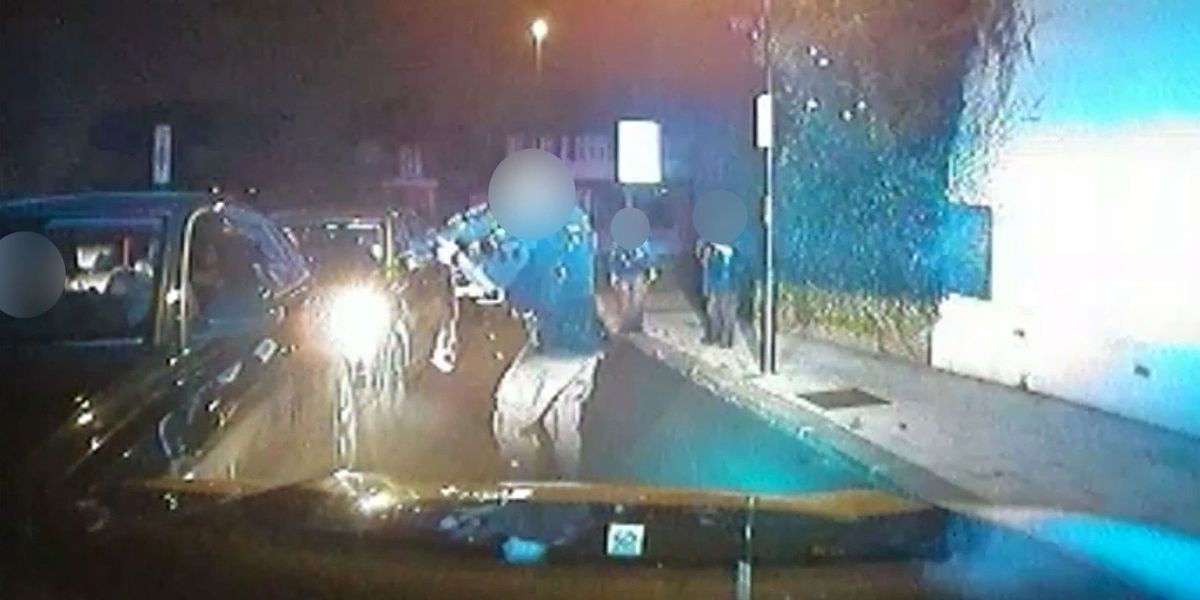
In the Chris Kaba case, officers were attempting to stop a vehicle linked to a firearms incident the previous evening. The Audi was located and followed before armed officers carried out what is known as a hard stop to prevent it escaping.
Those criticising officers should remember that a firearm is not the only lethal weapon. A two-tonne vehicle driven deliberately at police officers or members of the public can kill just as effectively as a gun or a knife.
Firearms officers do not have the luxury of watching events back on slow-motion video. They cannot pause the moment. They cannot consult lawyers. They cannot debate the options. They have seconds - sometimes less - to decide whether someone is about to die.
According to the evidence heard during the trial, officers believed there was an imminent threat. A single shot was fired. No further shots were discharged once the vehicle stopped. Whether people agree with that decision or not, one fact is beyond dispute: it was made in the most intense and dangerous circumstances imaginable.
It is easy to pass judgment from behind a desk or through the lens of hindsight. It is much harder to imagine yourself standing just feet away from a vehicle you believe could seriously injure or kill you or your colleagues.
In my opinion, NX121 should never have been charged with murder.
The jury acquitted him, and colleagues told the court that they believed they would have fired themselves had he not done so. I believe the pressure put on the IOPC and CPS by Kaba’s family, friends, and the threat of public disorder was the reason the CPS threw him under the bus.
For almost four years, NX121 lived under extraordinary pressure. He received death threats. His identity became public. His family were identified. He had to leave his home. He faced the possibility of spending the rest of his life in prison. No officer who volunteers to protect the public should have to endure that unless the evidence genuinely justifies it. Whatever people's views of the shooting itself, few would argue that four years of uncertainty leaves no scars.
His family have lived that nightmare too. Imagine believing your husband, father, son or brother could spend the rest of his life behind bars for actions taken while protecting the public. That burden does not disappear simply because the case eventually ends.
The wider consequences extend beyond one officer. The Metropolitan Police has struggled to recruit volunteers into firearms roles, with concerns raised about the effect this case has had on officers willing to carry guns. That should concern every one of us. If experienced officers no longer want to volunteer because they fear years of investigation and prosecution whenever they make a split-second decision, who will step forward instead?
None of this means police shootings should escape scrutiny, far from it. Every discharge of a firearm must be independently investigated. Public confidence demands nothing less. But there is a vital difference between proper accountability and creating an environment where officers fear making the very decisions they have been trained to make.
The public rightly expects firearms officers to act lawfully, professionally and with restraint. Equally, those officers should expect that, when they honestly believe life is under immediate threat and act within the law, the justice system will judge them fairly - not through the benefit of hindsight or under the pressure of public opinion.
Society asks an extraordinary amount of the relatively small number of men and women who volunteer to carry firearms. We ask them to run towards danger while everyone else runs away. We ask them to make impossible decisions in seconds. And then we spend years questioning those decisions from the safety of hindsight.
Not simply because of one officer or one incident but because the confidence of every armed police officer in Britain depends on knowing that, if they make an honest split-second decision to protect life, the justice system will treat them fairly.
If they lose that confidence, we all lose something far more important than a court case.