Public money is being frittered away on causes that speak to almost no one, writes the CEO of the Centre for Government Reform and former senior British diplomat
What should Arts Council England stand for? I think most people would say it should be there first and foremost to preserve our shared cultural heritage. But too often, that is not the case.
Research by the Centre for Government Reform, which I co-founded earlier this year, has laid bare the scale of the problem.
This week we learnt that Arts Council England handed £100,000 to a Sheffield festival running a flag-making workshop responding to what the organisers called the ‘divisive use’ of the St George’s Flag. Nearly £31,000 went to a gay re-telling of Romeo and Juliet set at a rave in Croydon. Tens of thousands more went to a ‘queer pan-Asian cabaret’ featuring “Panjabi princesses” and a play in which characters expose the Government's supposed ‘complicity’ in war crimes. Funding also went to organisations that exposed children as young as three to gender ideology.
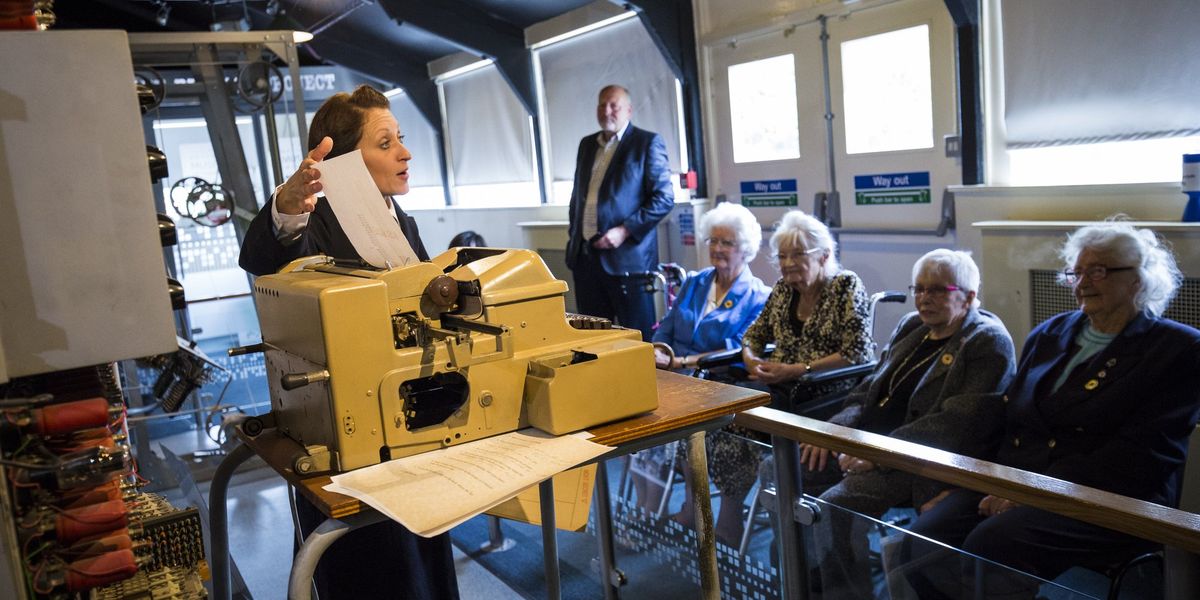
Meanwhile, in the period from January 2024 to May 2025, sixteen museums across this country closed their doors for good. The RAF Signals Museum, which told the story of British communications from the trenches of the First World War to the present day, is gone. So is the museum in Alyth, which preserved the memory of the farming and weaving communities that built that Perthshire town. Durham Museum shut because it could not afford basic repairs. Even Jodrell Bank’s observatory, home to the iconic Lovell Telescope and a fixture of British scientific life for seventy years, is now slated to close after funding was pulled. These are all symptoms of the same national failure to protect the institutions that built our understanding of the world.
Money that had the potential to be helping a struggling regional or local museum keep its doors open and retain our link with those who went before is instead being funnelled towards a narrow set of projects that speak to the fashionable shibboleths of the moment, namely identity, protest and grievance.
And these funding decisions highlight the pervasive culture in Whitehall that values virtue signalling over delivering the actual mission an institution is funded to perform.
This same instinct is seen across Whitehall. Civil servants are encouraged to ruminate on their ‘lived experience’ rather than delivering results.
Our cultural quangos have learned that chasing a narrow, ideologically-driven audience matters more than serving the country as a whole.
Every pound spent on a niche identity project is a pound not spent keeping a local museum's lights on, and preserving a piece of a community. And it reflects a deeper confusion about what public money for the arts and heritage is actually for. It is not there to fund the pet causes of whichever activist happens to have the ear of a grants panel this year. It is there to preserve and share the history, culture and identity that bind this country together.
Museums do that job quietly and without fuss. They tell a schoolchild in Perthshire how their town was built. They tell a veteran's grandchildren what RAF signallers did in two world wars.
It is heartening to see at least some politicians responding to our research by calling this out. The wayward priorities on display are symptomatic of a set of institutions that have lost their way.
We need a fundamental reshaping of Whitehall and associated bodies, occupied by a lanyard class captured by the same set of trendy beliefs.
Until then, we will keep losing the institutions that tell us who we are, while public money is frittered away on causes that speak to almost no one. Britain's history and heritage deserve better custodians than this.