Thank you for subscribing!
Royal commentator Lee Cohen has given his take on the security concerns the Sussexes have
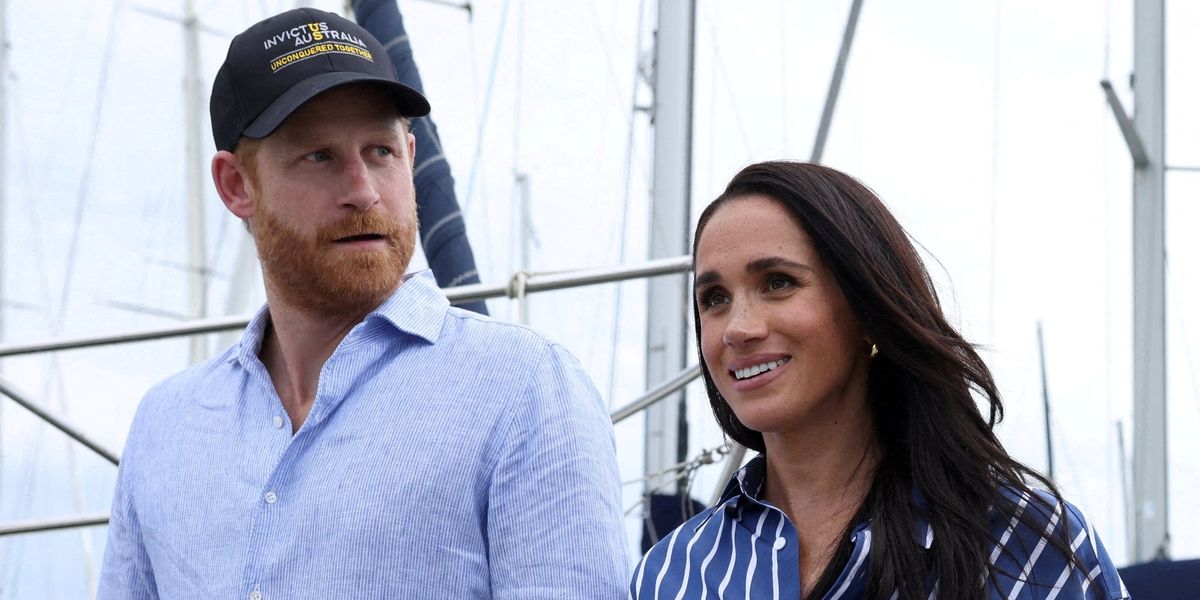
The Sussexes have been back scarcely a week and the sense of entitlement is already on full display. A highly divisive, non‑working royal couple who walked away from the institution are seeking a renewed risk assessment that could restore state‑funded protection—despite having no automatic entitlement to it—while the country struggles to meet its defence commitments and ordinary households face punishing energy costs. What?!
Taxpayers do fund security for former prime ministers. But, unlike the Sussexes, as a rule they don’t flee the country and monetise their exit with books, interviews and streaming deals while relentlessly attacking the people and institutions they once served.
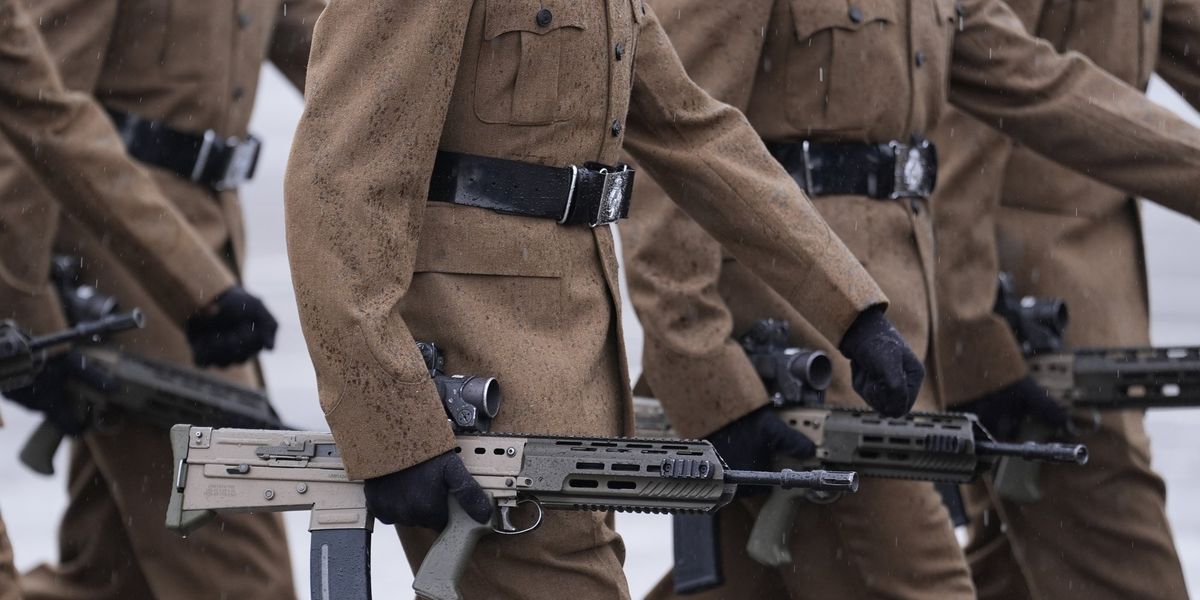
Food has been punishingly expensive for years. Energy bills are climbing again. At the same time the country is still scrambling to fund its own defence. Keir Starmer’s last major act was a Defence Investment Plan that added £15 billion over four years, aimed at about 2.7 per cent of GDP by the end of the decade — and still left the chiefs short of what they said they needed, with £4.7 billion to find at the next Budget. That is the country Prince Harry has come home to.
Though perhaps they should have been, the Sussexes were not stripped of titles. They stepped back from official duties in 2020 and relocated to California. The automatic security arrangements tied to Harry’s former role were changed as a direct consequence. In May 2025 the Court of Appeal dismissed Harry’s challenge, upholding the High Court’s decision. The courts did not say he could never receive protection.
Of course, he is the King's son. Yes, he served in Afghanistan. There have been serious concerns about threats against him, particularly after he bragged in his autobiography of killing Taliban while a soldier. Returning to Britain changes the geography of the risk. None of that creates an automatic entitlement to armed police protection at public expense.
Consider those who never abandoned Crown and country. Princess Anne is the daughter of the late Queen and the King's sister. She survived a terrifying kidnapping attempt in 1974 and continues to undertake more public duties than Harry could ever dream of. Prince Edward is likewise the child of a monarch and continues to serve with distinction. Both receive taxpayer‑funded high‑level security only while carrying out official royal duties. No non‑working member of the family receives a standing, 24/7 package. Why should Harry be different? They at least still do the work. He has not.
If he wants more than the standard threat‑based protection, he should not expect taxpayers to fund a standing, 24/7 armed detail—especially when the courts have already ruled there is no automatic entitlement and any shortfall would have to be met privately.
Harry himself highlighted the contradiction. After losing his security appeal he told the BBC he could not see a world in which he would bring his wife and children back to Britain. Now he has returned with them. Their children are due to start school. Harry and Meghan remain private citizens and are not returning to official royal duties.
The British public should not fund a standing, 24/7 armed detail for two people who have chosen a highly public, monetised life and now seek state‑funded protection while no longer undertaking official royal duties. They live as private citizens in every formal sense, yet seek a level of state protection that resembles what senior working royals receive. ‘Megxit’ did not come with an automatic right to taxpayer‑funded protection—the courts confirmed that—but Harry is still pressing for a risk assessment that could restore much of the very benefit he lost when he walked away from the job.
Andy Burnham has described the security arrangements as a private matter and wished the family well. The final decision, however, rests with RAVEC, which must apply the security framework without political interference.
In a YouGov poll last month, a whopping 71 per cent of British adults said the government should not fund any of the Sussexes’ security. They robustly reject a full state security package to a household that voluntarily walked away from royal duty, spent years criticising the institution that once supported them, and now expects the public to pick up the bill again.
Britain has serious security concerns. Its armed forces need more money, equipment and manpower. A former working member of the Royal Family should not be pressuring the government to restore taxpayer-funded protection — and perhaps give some thought to the fact that if he had been more discreet, he might not need quite so much of it.