Thank you for subscribing!
Scotland Yard has sunk from a world-renowned force, writes founding member of the force's undercover unit Peter Bleksley
Policing is simple. When Sir Robert Peel established the Metropolitan Police nearly 200 years ago, he wrote: "The primary objective of the police is the prevention of crime and disorder."
He also explained police efficiency will be judged by the absence of crime. Using this marker, I think it is safe to say that we can unequivocally judge our current British police as rampantly inefficient.
In large, we can blame the past couple of generations of police leaders for the current mess our police are in and the consequent lawlessness that blights the streets of Britain.
If you are fortunate enough to live in one of the beautiful parts of the UK that are not yet bedevilled by rampant shoplifting and uncontrolled knife-crime, as well as the blight of illegal migrants causing distress and quite possibly worse, then good luck to you. Enjoy your delightful neighbourhood while you can.
Meanwhile, truth-denying police chiefs the length and breadth of the country will tell you at every opportunity about how well their force is doing in reducing crime and making our streets safer. Could somebody please tell them that no one takes them seriously?
Right up there among the countless, abysmal decisions police chiefs have made in recent decades has been the outsourcing of the training of new recruits to universities that are so often blighted by left-wing ideology and the moving away from the long-held principles of residential courses, where training was delivered by experienced former frontline officers who still held warrant cards, who would therefore produce consistently high standards of disciplined and unflinchingly relevant learning.
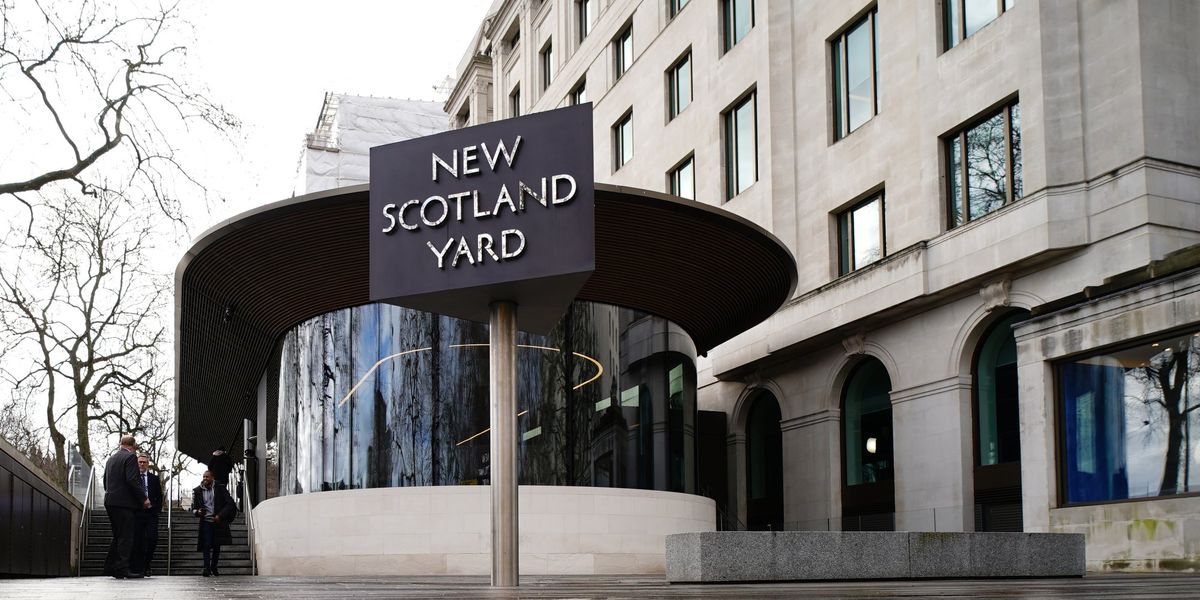
As a sign of how far the Metropolitan Police has sunk from a world-renowned force with a glittering global reputation into an abyss of dim-wittedness, the force recently published a "Language Matters Guidance" document instructing its clearly inadequately trained officers on the wording they should use when sending reports to senior officers or the Crown Prosecution Service. The very thought officers from the once iconic Scotland Yard would need to be instructed on the most basic of written communication skills is the clearest indicator of its decline and how we, the public, are being failed by a service rampantly incapable of delivering efficiently for victims of crime.
But it gets worse. The Met’s new language document was written in a knee-jerk response to a critical report written by the Police Inspectorate.
The most worrying aspect of the reaction from the Met was it did not make a considered and convincing case for what it was doing. Instead, it has been blown like a feather in the wind and officers are being told to abandon neutrality in documents that might reach a courtroom.
Facts are facts, and the truth is the unshakeable truth. Courts should always be told the truth.
Officers of yesteryear were unflinchingly instructed to record facts without opinion and to retain the fundamental principle of neutrality in investigations.
Evidence should later be given without opinion. Impartiality is key when policing without fear or favour.
It is also vital when trying to convince the members of a jury that an officer is telling the truth. Upon such matters of neutrality, correct verdicts are returned, miscarriages of justice avoided and public trust rebuilt.
With officers foolishly instructed to abandon the principle of neutrality, assumptions may be presented as fact and lazy presumptuousness could mask facts that may remain unearthed. Defence lawyers will also have a field day as they rinse police officers when they clamber into the witness box.