Russia sees a country trying to sustain global commitments with forces hollowed out by delay, writes the former Army officer and senior associate fellow at the Henry Jackson Society
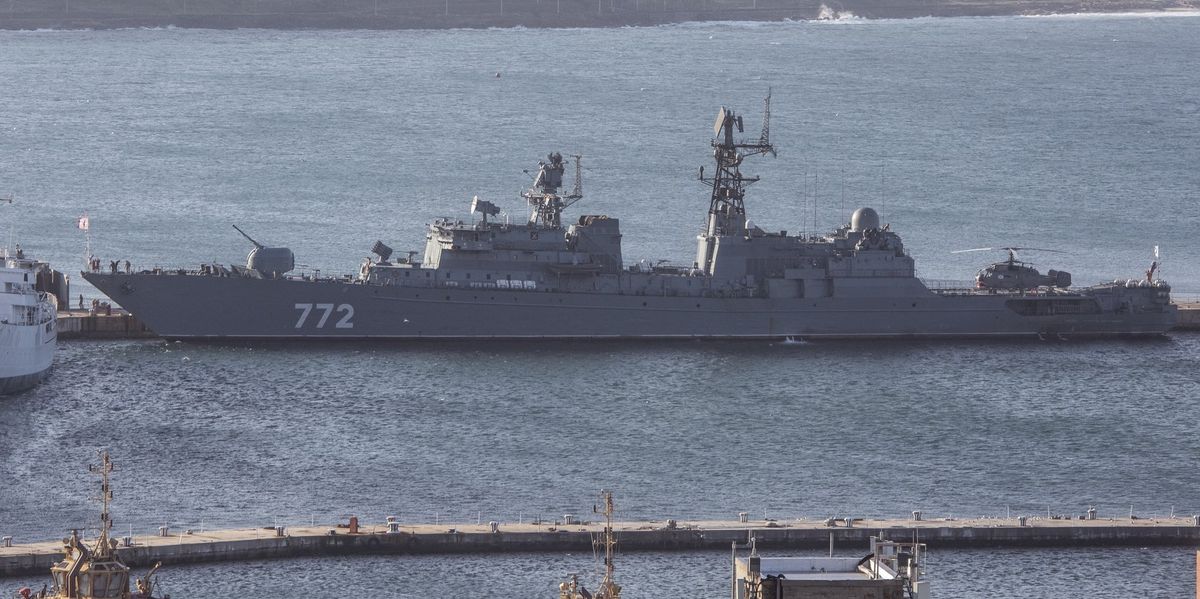
A Russian frigate has conducted a live-fire exercise roughly 40 nautical miles south of Plymouth. The Neustrashimy notified HMS Tyne, fired for about 30 minutes, and remained in international waters.
It crossed no territorial boundary, sharply limiting Britain’s options. Moscow still gained a useful political effect.
Russia has spent years refining operations in the grey zone. The drill used conventional force for hybrid purposes, applying intimidation without offering Britain a clear legal or military response.
A warship fires off the approaches to Plymouth. Naval movements probe our surveillance and escort capacity. Cyber attacks and sabotage apply pressure elsewhere, reinforced by disinformation. Officials can file each episode as isolated or technically lawful, leaving intent deniable. Moscow benefits from the fragmentation.
The Kremlin understands thresholds. It seeks the political effect of aggression while keeping the temperature just below the point at which its opponents feel compelled to act.
The purpose is to test reaction times, expose weaknesses, and make once-extraordinary behaviour seem routine. It also sends a message to the British public: Russian guns can fire close to your shoreline while your Government watches.
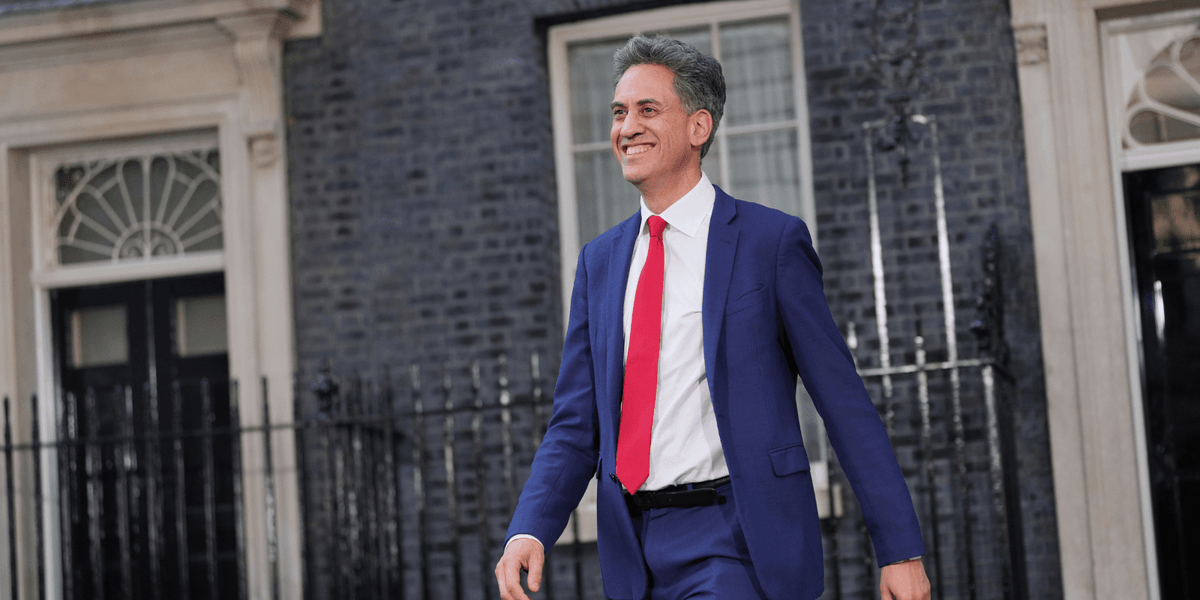
The timing will not have escaped Moscow’s notice. British forces recently boarded a sanctioned Russian shadow-fleet tanker in the Channel. Britain remains one of Ukraine’s most committed military backers. In Westminster, Britain’s seventh prime minister in a decade has just entered Downing Street after another convulsion at the top of Government.
Russia studies moments like this carefully. Political distraction and institutional uncertainty offered an opportunity to twist our noses and remind ministers that support for Kyiv carries costs.
Moscow will also have read every report on Britain’s defence finances. The Defence Investment Plan was delayed for months amid arguments over an estimated £28billion shortfall. A Defence Secretary resigned during the dispute.
The eventual package promised an extra £15billion, with £4.7billion still to be found and much of the rest to be made from cuts elsewhere. Moscow counts available ships, weapon stocks, trained personnel and days at sea, and disregards ministerial speeches and glossy reviews.
HMS Tyne’s crew did its duty professionally. The criticism belongs higher up.
An offshore patrol vessel can monitor and report, but it cannot replace the mass, lethality and persistent presence that credible deterrence requires.
Britain had no obvious legal basis to halt an announced exercise in international waters. It could, however, maintain a posture that leads Moscow to judge the location more trouble than it is worth.
Had Britain preserved the maritime strength and readiness expected of a serious naval power, the Kremlin would have had reason to choose elsewhere. Instead, it sees a country trying to sustain global commitments with forces hollowed out by delay, Treasury bargaining and decades of managed decline. It sees leaders speaking of war-fighting readiness while struggling to fund the programme already announced.
Taking defence seriously means more escort hulls at sea, deeper ammunition reserves, protected infrastructure, faster procurement, and a stable funding plan that survives the next political crisis. Deterrence costs money before an emergency and vastly more after one.
The firing off the Devon coast was both a gesture and a warning. Moscow wanted Britain to notice. The confrontation is already underway below the threshold of war, and the risk of crossing that threshold is rising. A larger conflict is drawing closer. Britain is not ready.