Thank you for subscribing!
More than £70million is collectively owed to low-paid workers
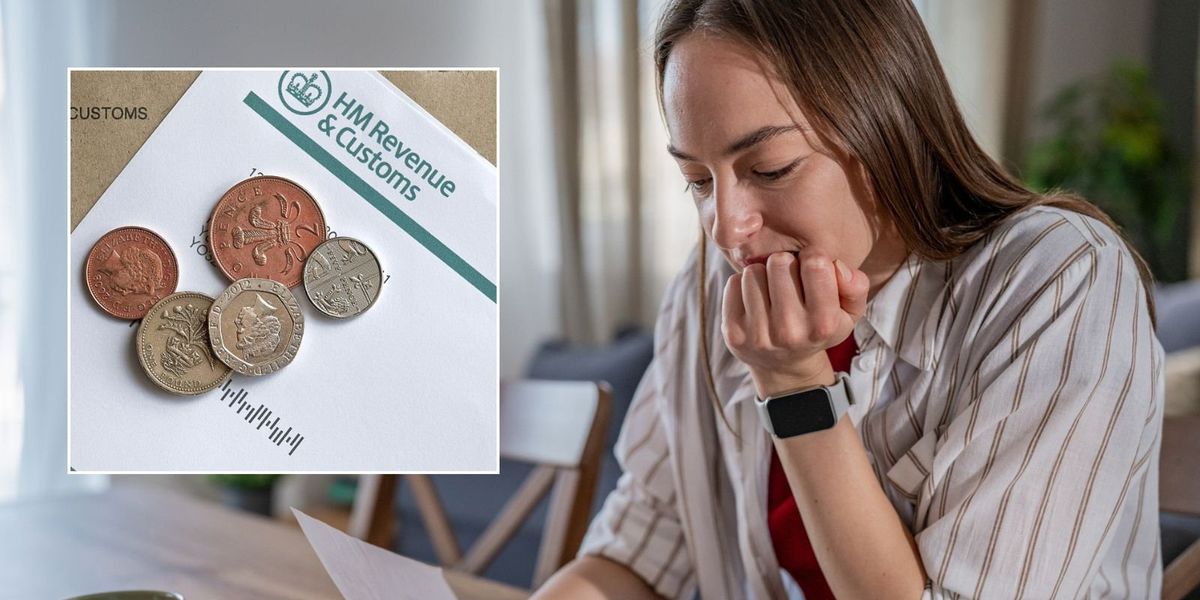
Around one million low-paid workers are set to receive letters from HMRC informing them they are owed pension top-up payments.
The average sum is roughly £70 per person, but collectively more than £70million has gone unclaimed.
The shortfall arose because of how employers administered their workplace pension schemes.
Workers enrolled in what is known as a Net Pay Arrangement scheme ended up receiving less tax relief than those in a Relief at Source scheme.
Crucially, employees had no say in which type of scheme their employer chose. The government has now committed to making good on the difference.
Those affected typically earned close to, but no more than, £12,570 a year, which is the threshold at which income tax begins.
When workers contribute to a pension, the government allows a portion of what would have been paid in tax to be directed into their pension pot instead. This benefit is known as tax relief.
However, for somewhat complex reasons, the two types of pension administration treated low earners differently.
Those in Net Pay Arrangement schemes lost out compared with colleagues whose pensions operated under the Relief at Source model.
The government's remedy, called a low earner's pension payment, will initially cover the 2024-25 tax year. Automated payments for subsequent years will follow.
Kenny MacAulay, chief executive of Acting Office, urged businesses not to sit idle while the postal process unfolds.
"HMRC writing letters to a million people is a slow and ineffective way for people to find out that they're owed money and will lead to significant numbers not claiming," he said.
"Payroll providers and accountants should be checking payslips against the scheme now instead of waiting around for a letter to come through the door."
Mr MacAulay described the situation as "a huge flaw in the system," adding that those affected "had no say" in the pension arrangement their employer selected.
Eligible individuals, mostly women, do not need to apply. HMRC will contact them by letter or through their online personal tax account over the coming months.
It is essential to know that HMRC will never telephone, text or email anyone about this payment. Any such contact is a scam. The tax authority will also never request PIN codes, passwords or money transfers.
To confirm a letter is legitimate, recipients can visit Gov.uk and search for "check if a letter you've received from HMRC is genuine," looking specifically for "Low Earner's Pension Payment."
Those who need to provide bank details should do so only through their personal tax account. Anyone unable to go online can telephone HMRC to arrange their payment instead.
Sir Steve Webb, a former pensions minister and partner at consultancy LCP, expressed alarm at the government's own projections for how many eligible people would actually receive the money.
"The process of getting these payments to the right people is going to be incredibly painful and there is a real risk of huge non take-up," he said.
"It is vital that communications are effective to make sure that people get the money to which they are entitled."
The government has estimated the cost of the scheme to be significantly lower than it would be if every eligible person claimed, suggesting ministers already expect many to miss out.
HMRC says it plans to run an awareness campaign using social media and other channels.