Thank you for subscribing!
Robert Midgley writes about the hurdles facing Labour's Chagos deal
Labour has now publicly confirmed its intention to revive Keir Starmer’s Chagos Islands deal, a move that has frustrated officials who blame NSA Jonathan Powell for continuing to push the policy internally.
Defence Secretary Wes Streeting insists the government is “committed” to delivering the agreement, but that word is doing a lot of heavy lifting.
The UK may want to signal its intent to Mauritius, but it currently lacks the means to force the deal through.
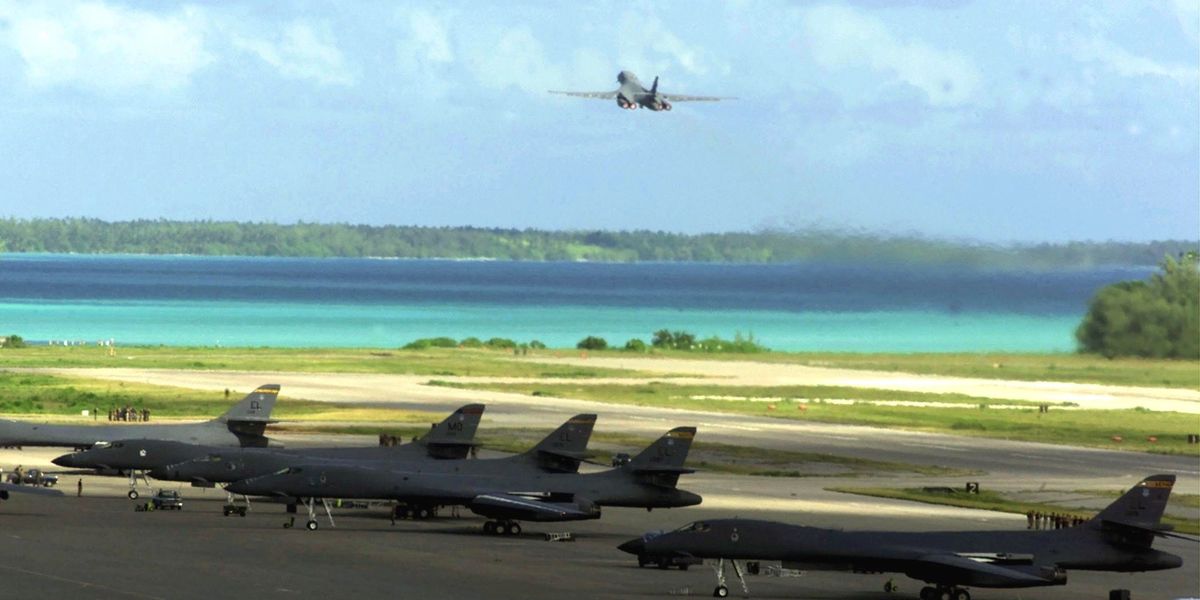
Last week, President Donald Trump told GB News that the Chagos deal was “terrible”, criticising Starmer for refusing US use of Diego Garcia during the Iran operation and for alerting Mauritius to an impending US action.
Both incidents contributed to Washington withdrawing its support.
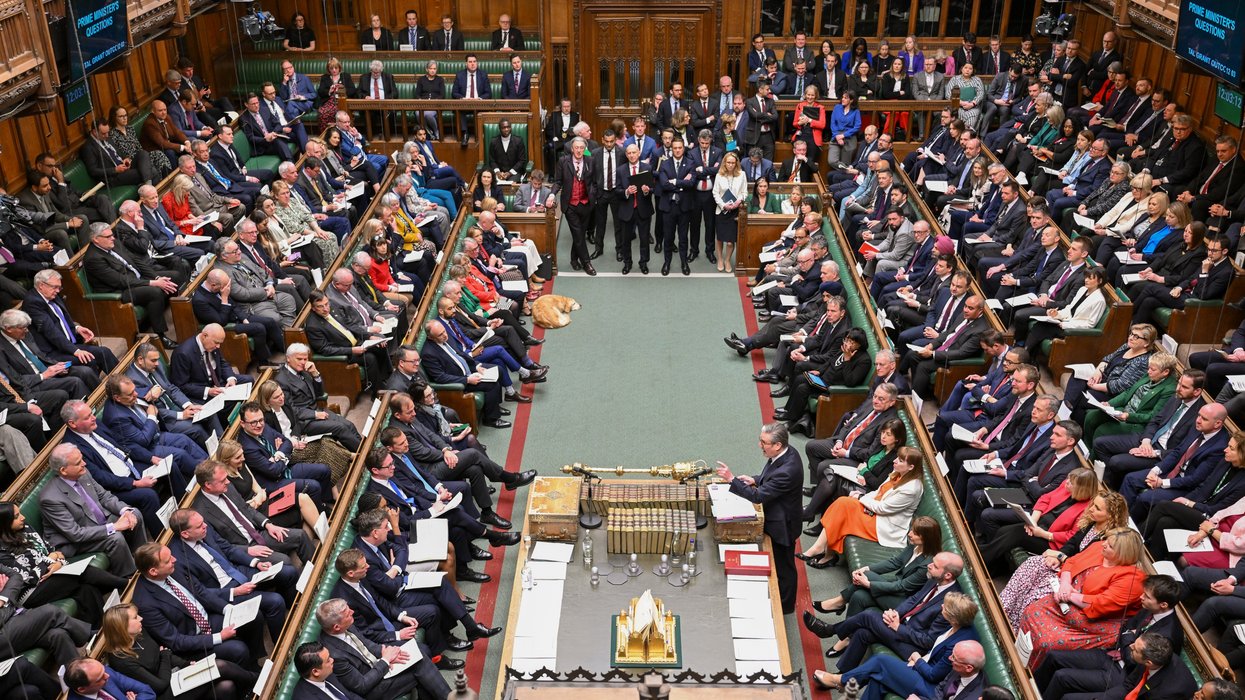
The previous Chagos Islands Bill collapsed in Parliament after it emerged that key international agreements had not been updated to allow the deal to proceed.
The most significant was the 1966 UK-US Diego Garcia Agreement, whose opening line states that the US recognises British sovereignty over the Chagos Archipelago.
British officials attempted to persuade Washington to amend this clause, but following Trump’s intervention, the US refused.
That refusal was the primary reason the Bill fell, and it remains a central reason it cannot be reintroduced now.
Unless the US changes its stance, the Bill cannot pass through Parliament.
This raises the broader question repeatedly aired in recent GB News discussions: why is the UK attempting to give these islands away at all?
They were administratively classed as a dependency of Mauritius during British colonial rule, but so were the Seychelles.
A 1960s British government investigation into the “dependency” relationship found that, aside from a cargo link, only one of the roughly 2,000 residents was Mauritian: a single, temporarily employed salt farmer.
That seems a tenuous basis for claiming an entire territory.
Since the 1970s, successive Mauritian governments have pursued a long campaign of lawfare, arguing that the islands are theirs on the basis of that historic administrative link.
This has escalated to the point where the UK fears an adverse UNCLOS ruling that could force it to hand over sovereignty and withdraw from Diego Garcia.
UNCLOS cannot rule on sovereignty disputes, and the UK has a military opt-out under Article 298 that covers the entire territory, not just Diego Garcia.
Mauritius will continue seeking compensation and will press the issue at the UN this week and next.
Legal cases also continue regarding Misley Mandarin’s presence on Île du Coin, and the longer he remains, the harder his removal becomes.
Two opposition Bills, one in the British Parliament and one in the US Senate, aim to reinforce British sovereignty.
The British Bill would enable Chagossian resettlement, while the US Bill would require Senate approval for any negotiation, effectively blocking the deal.
Even if Washington softened its position, Andy Burnham is likely to face a General Election.
A Reform or Conservative coalition would almost certainly scrap the deal entirely.
The new UK government had an opportunity to reset the policy, avoid a £51billion payout, retain sovereignty, and prevent uncertainty over Western security.
Instead, it should authorise immediate resettlement on the outer islands.
Establishing a permanent Chagossian presence would activate self-determination, securing both the territory and the base in perpetuity.