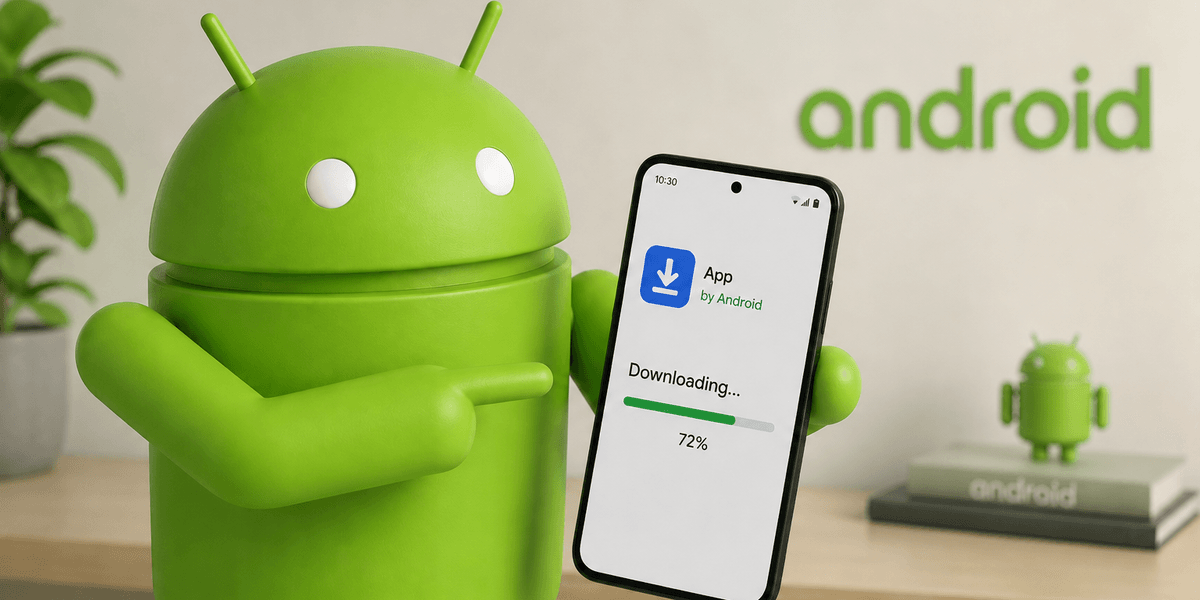
There'll soon be a new way to download apps on Android devices.
For years, the Google Play Store has been the primary destination for Android phone and tablet owners looking to install new apps or update existing ones. But that's about to change.
Google is preparing to open up Android users to competing app stores in the United States, a major shift that'll offer more choice over where to download apps. It all starts on July 22, 2026.
The change is expected to bring a wider range of app marketplaces to Android devices, reducing Google's long-standing dominance over app distribution. It could also herald an influx of new software that isn't allowed in the Play Store under the strict terms that Google enforces, but might not be replicated by rivals.
It's a big change that comes after Google took the decision to stop fighting a court order stemming from its lengthy legal battle with Epic Games, the company behind Fortnite. The company had been pushing back against a requirement to host competing app stores within Google Play itself, but has now dropped that fight.
Google spokesperson Dan Jackson explained the company's decision, telling The Verge: "We've agreed with Epic to withdraw our motion to modify the US Court's injunction rather than prolonging this process, which creates uncertainty for the ecosystem."
He added that this allows the company to focus on delivering "greater app store choice, lower prices, and more opportunities for developers and users."
You can download these alternative app stores from the Google Play Store. And don't worry about these new storefronts arriving with no apps listed on their (digital) shelves, either. Google has pledged to allow these alternative app stores to mirror the millions of apps already available in the Play Store.
That means staples — like WhatsApp, Gmail, Google Maps, Waze, Snapchat, Facebook, YouTube — will be ready-and-waiting in these Google Play Store rivals. To mirror the selection of apps offered by Google, these alternative stores will need to ensure the behind-the-scenes payment and download process is handled by Google Play.
In practice, it's a bit like browsing products in a different online shop, but completing your purchase through the same checkout. Google will continue to distribute the apps and charge its existing service fees, meaning developers and users will largely experience the same download process behind the scenes.
While Android users will have more places to discover apps, Google will still control how those apps are delivered to devices.
If app stores want to join this new programme, they'll need to meet some fairly strict requirements to help curb fraud attempts from these apps.
First up, there's a $5,000 fee to cover security and policy reviews when signing up, plus the same amount every year to stay in the programme. Stores can only offer Play Store catalogue apps to American users – distributing outside the US is strictly off limits.
They'll need to have clear trust and safety policies, and here's an interesting one – less than 1% of all install attempts can include malware. Google also insists these marketplaces can't just rely on its catalogue. They must continue offering their own apps beyond what's available through the Play Store.
The decision also appears to be a safer alternative to allowing you to install apps on Android devices from outside the Play Store, which is known as sideloading.
Sideloading offers access to software that isn't available in the Play Store, but carries security risks, since Google isn't running checks on these apps for malware or security issues. If a bad actor does attempt to get a faulty app onto the Play Store, Google has unleashed tough new rules to block it.
It's also one of the key differentiators between Android and iOS that dates back to the very beginning of the two operating systems.