It'll fix laptops that are overheating or suddenly shutting down
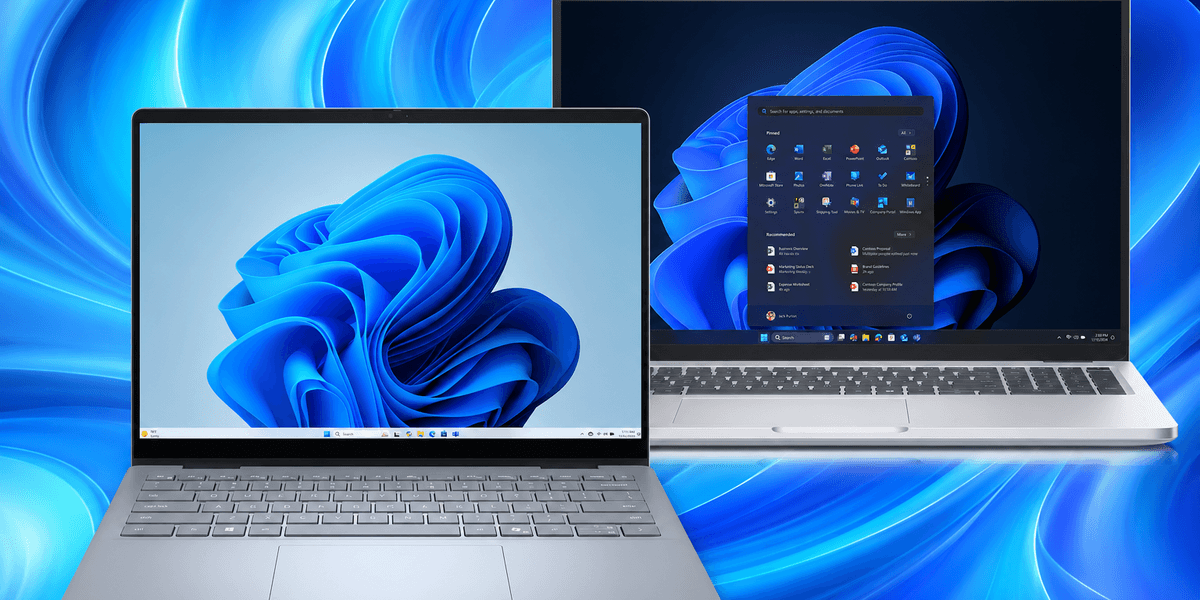
If you own a Dell-branded laptop, you'll want to hit the Update button as soon as possible. Microsoft has released a fix for certain PCs running Windows 11 — the latest desktop operating system.
It's meant to remedy the devastating bug that was found wreaking havoc on Dell laptops, causing them to run hot or suddenly shut down. Multiple reports have seen popular ranges from Dell impacted, including Latitude, Inspiron, and XPS machines. But this patch should fix all of that.
Dubbed KB5121767, it's meant for Dell users running Windows version 25H2 and version 24H2. By updating your laptop, you'll then be able to install the latest security update that was initially rolled out to all other PCs running Windows 11. And this security patch is one of the most notable because it's one of the largest Microsoft has ever launched for Windows 11 devices — fixing 570 vulnerabilities.
For context, Microsoft has already fixed more than four times the number of security issues compared to July last year. During that month, the Redmond-based company only addressed 137 vulnerabilities.
This month's update is part of Patch Tuesday, which is the informal name for the monthly release of security patches and bug fixes for Windows. This regularly scheduled update is designed to stop inconvenient crashes or bugs, as well as close loopholes that could enable criminals from being able to hack into your device and potentially steal sensitive information.
If you don't take action to update your device, you're leaving yourself vulnerable to an increased risk of malware, ransomware, cyberattacks, and worse.
That's because, without regular security updates and bug fixes from Microsoft, there's nothing to stop criminals from exploiting vulnerabilities unearthed within the operating system.
Microsoft recently unveiled that it will rely on Artificial Intelligence (AI) to help detect some of these security flaws, too.
Pavan Davuluri, Microsoft's executive vice president for Windows and Devices, wrote in a blog post: "As AI helps defenders discover more issues, customers will see a higher volume of security updates included in each security release."
This could mean that future updates may see even more vulnerabilities patched than the whopping 570 just seen this month.
However, if you're finding that your PC wants to install the update while you're in the middle of something important, there's now a way to delay them.
Aria Hanson, strategic innovator at Microsoft, wrote in a blog post: "We are continually reading the feedback submitted about the Windows update experience. Personally, I've had the opportunity to read over 7,621 direct verbatim over the last few months.
"Across this feedback, there are two key themes that persistently pop out: disruption caused by untimely updates and not enough control over when updates happen. The changes we’re rolling out today are focused on giving Windows users more control over their PC experience, while keeping devices secure by design and by default."
You can now pause updates for 35 days at a time, and there's no limit on how many times you can extend that pause. This means if you prefer to delay the updates indefinitely, then you just have to hit pause again every 35 days.