Google just unveiled an entirely new type of laptop, dubbed Googlebook.
It supersedes its Chromebook lineup, a popular category of notebooks used primarily in education and powered by a lightweight desktop operating system based on Google's ubiquitous web browser of the same name.
Googlebook is designed to put Artificial Intelligence (AI) at the forefront of everything it does. Writing in a blog post about the new arrival, Senior Director of Laptops and Tablets at Google, Alex Kuscher explained: "As we are moving from an operating system to an intelligence system, we see an opportunity to rethink laptops again."
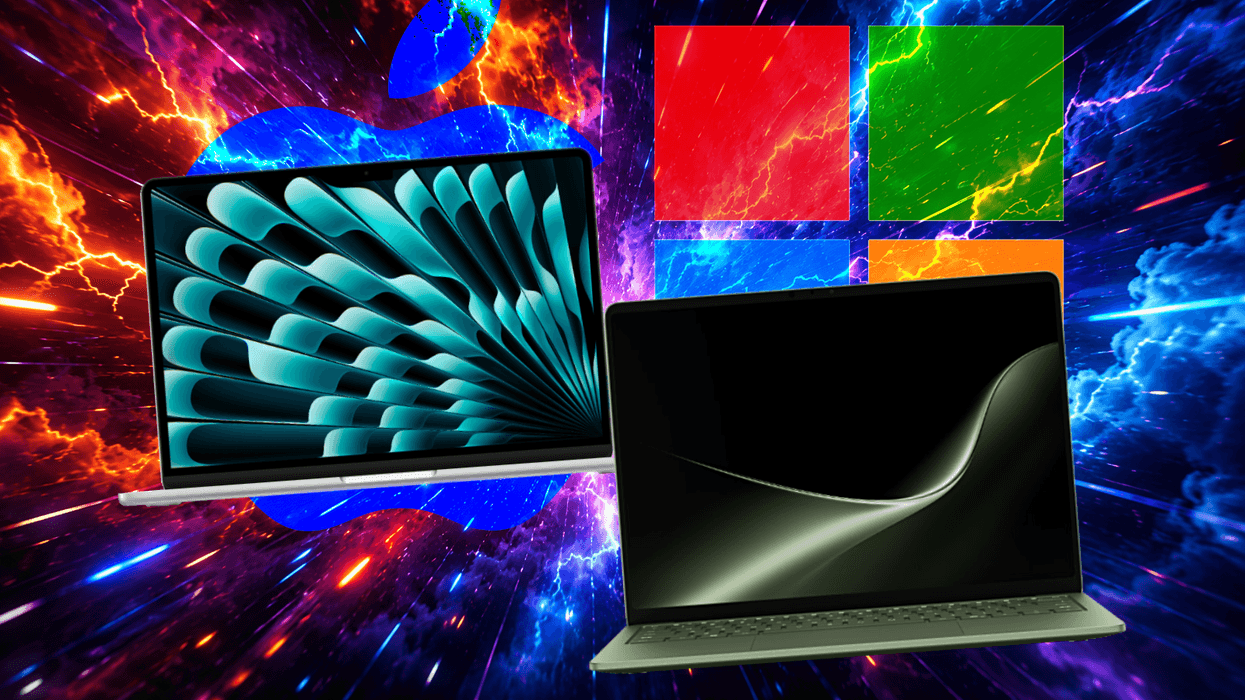
This is similar to what we've heard from Microsoft, which launched a separate category of laptops — dubbed Copilot+ PCs — that offer exclusive Artificial Intelligence (AI) features in Windows 11 that aren't available with the standard installation. Meanwhile, Apple reserves its own AI features for devices running its custom-designed silicon, which started to roll-out worldwide from 2021 onwards.
The operating system running on the all-new Googlebook is laced with Artificial Intelligence features. For example, shaking the cursor back and forth summons a Google Gemini icon – and will trigger an AI function for the next item that you click. For example, clicking on a photograph will summon a blank box to type in a prompt for an adjustment that you'd like to make, like imagining a different outfit or removing an unwanted person from the background. Pointing at a date in an email, and Google will offer to set up a meeting for you.
It's a clever idea, and the first major rethinking of what a cursor can be since the introduction of the right-click in Windows 95 in 1995 or the addition of different levels of pressure-sensitivity for the trackpad on MacBook models first launched by Apple in early 2015.
Googlebook also arrives with the ability to generate your own custom-designed widgets with exactly the information that you're looking for. Gemini can bring in information from across the internet, or connect to some of the most popular Google apps — like Gmail or Calendar — to create a personalised dashboard.
For example, Google can spotlight an upcoming flight or hotel booking from your calendar, or add a countdown to a holiday in a glanceable widget that sits on your desktop. These widgets can be pinned to your desktop, like those that have long been a part of the Android operating system also developed by teams at Google.
Like Chromebooks, this new Googlebook can load Android apps. When you sign-in with the same Google Account as your smartphone or tablet, you'll be able to launch windowed versions of your favourite apps and continue where you left-off without switching back and forth between the laptop screen and your smartphone.
"For instance, what if you’re in the zone on your laptop but start to get hungry? You can tap a phone app, get that order out quickly and get back to it. Or if you get a reminder for your daily Duolingo language lesson, you can pop over and finish it without ever leaving your screen. It just works," Alex Kuscher writes in the Google blog.
"We’re also making it incredibly easy to access files from your phone right from your Googlebook’s file browser. With Quick Access, you can easily view, search or insert your phone’s files on your laptop — no transfers needed."
There are still a few questions about the Googlebook. The Californian company hasn't revealed exactly what operating system is running on the laptop. Google's Alex Kuscher says that it's "built on part of the Android tech stack," but stops short of confirming whether this device runs on Android or the ChromeOS software that powers Chromebooks — or those laptops left stranded when Microsoft culled Windows 10.
Everything from your Android phone can be easily accessed with a few clicks, including fully-fledged Android apps with no need to download them again, and any files, pictures or videos stored on the device
Google has long been rumoured to be building an all-new operating system that combines the best of Android and ChromeOS, but it's unclear whether Googlebook is the first device running this as-yet-unnamed software.
Finally, there's still no word on price. Google has launched laptops at a range of different prices over the years, with the original PixelBook — a premium Chromebook designed to compete with MacBooks — starting from £999 when it landed on store shelves in 2017. But its more affordable Pixelbook Go cost £629 when it arrived in January 2020.
"Every Googlebook will be built with premium craftsmanship and materials, coming in a variety of shapes and sizes," Alex Kuscher summarises in the blog post, suggesting these laptops are not designed to be the affordable option from Google. You will know when a device is categorised as "a Googlebook" because it'll feature a glowing bar of LEDs on the outside that uses the brand colours of the US search company.
Google isn't the only company making Googlebooks. Like Copilot+ PCs, released under the Surface lineup from Microsoft but also made by several third-parties, companies like Acer, ASUS, Dell, HP, and Lenovo will be creating their own Googlebooks to launch later this year. These Chromebook successors will be "built from the ground up for Gemini Intelligence," the Mountain View company has promised.