Thank you for subscribing!
Spiralling component costs are putting pressure on Apple's profit margins
Want to upgrade to one of the newest iPhone models? You might need to spend a little more than expected.
According to sources inside the secretive company speaking to Bloomberg, Apple executives are weighing up a possible price increase for its next iPhone models. The potential price hike would add $100 — that's £80, converted — to the current starting price of the Pro-grade iPhone, Bloomberg reports.
That's roughly a 7% price increase year-on-year. It would also see the standard iPhone 18 Pro cost almost as much as the largest (and most expensive iPhone model) released last September.
According to sources speaking to Bloomberg, the culprit is the spiralling cost of components and ongoing supply chain pressures, which has started to eat away at the Californian company's margins.
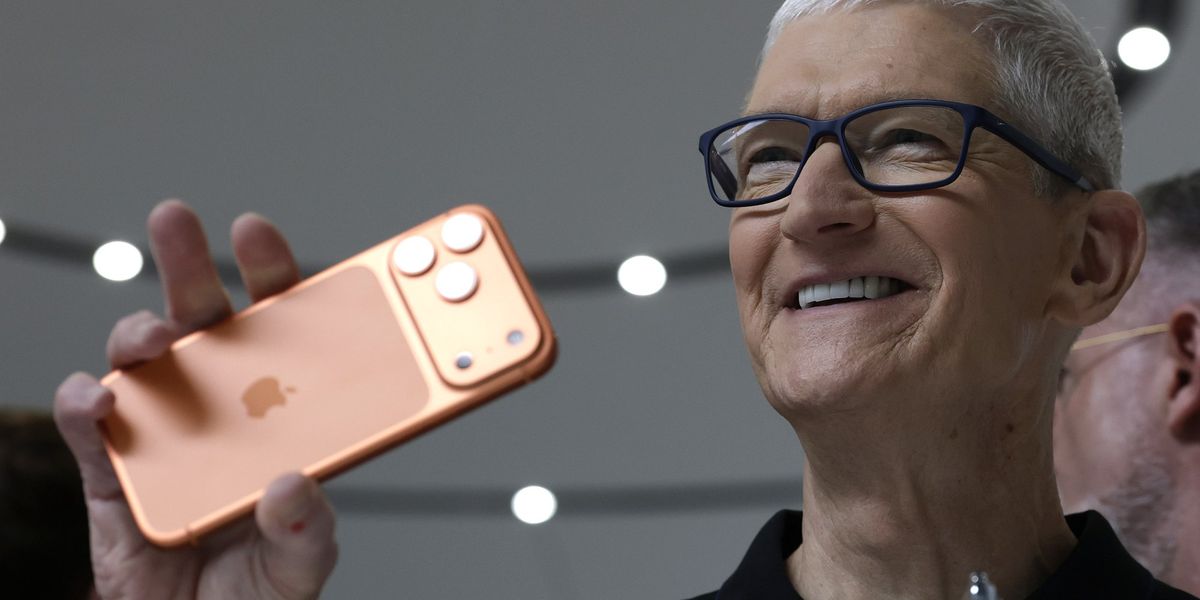
Discussing the worldwide shortages and rapidly-rising component costs in an interview with The Wall Street Journal earlier this summer, Apple CEO Tim Cook warned that "price increases are unavoidable" as he compared the spiralling cost of components to "a hundred-year flood".
He explained: "I’ve never seen anything like it in any area in over 40 years."
Shortly after his comments were published in the newspaper, Apple's most affordable Mac ever, the MacBook Neo increased by £100 — just a couple of months after its launch. At the same time, the Cupertino firm raised prices across its Mac, iPad, HomePod, and Apple TV lineup by varying amounts between £40 and £200.
While the Apple Chief Executive hasn't gone as far as to confirm price hikes for the iPhone, it seems unlikely the bestselling smartphone lineup will avoid the treatment applied to the rest of the products in the Apple Store.
Apple isn't alone, with Google increasing prices across its new Pixel smartphone range, and the latest foldable devices from Samsung arriving with a steep £100 price hike.
And it's not just smartphones, with Sony's PlayStation 5 consoles undergoing a second price hike within a year, and XBOX consoles rising to the most expensive price tag earlier this month.
The silver lining is that Apple seems unlikely to pass on the full cost of the spiralling bill of materials for its top-of-the-line smartphones. A rise of £80–£100 would keep the iPhone within the ballpark of other manufacturers, like Samsung and Google, meaning you won't see the larger jumps applied to certain Mac and iPad models. Some configurations of the 14- and 16-inch MacBook Pro saw increases of £300 a few weeks ago.
If previous years are anything to go by, Apple will discontinue the iPhone 17 Pro and iPhone 17 Pro Max with the arrival of the iPhone 18 Pro and iPhone 18 Pro Max. As such, if you want to secure one of the current flagship phones for £1,099 or £1,199, respectively... you'll need to pocket one before the new handsets are announced.
It comes as Apple has partnered with Klarna to launch a new leasing scheme, letting you pay for its gadgets with small monthly increments. Dubbed Apple Upgrade, the programme covers a slew of devices, including iPhone, Apple Watch, Mac, and iPad.
You can unlock a discount on your monthly repayments by trading in your current gadgets.
Apple Upgrade offers a choice of 12- or 24-month plans for iPhone and Apple Watch, rising to slightly longer 24- or 36-month plans for Mac and iPad. Prices start from $17.99 per month for iPhone (£13.50 converted), $11.99 for Apple Watch or iPad (£9), and $24.99 for Mac (£18.99). Apple Upgrade isn't available in the UK.
At the end of the term, Apple device owners can upgrade to the latest generation, purchase with a one-off payment, or return the device to Apple and exit the scheme. Payments are managed via the Klarna app.
If prices do rise with the launch of the next iPhone models, schemes like Apple Upgrade could offer an affordable way for those looking to upgrade to the newest handset while mitigating the sting of the higher prices.
With prices rapidly rising across almost all product categories, monthly finance and upgrade plans have become increasingly common in both the UK and US. While these payment plans make owning a flagship device more accessible by spreading the cost over time, it's also indicative of a market where many buyers are less able — or less willing — to pay £1,000 or more upfront for a new handset.
Discussing the launch of Apple Upgrade, Apple Vice President of the Apple Store online, Karen Rasmussen said: "At Apple, we put the customer at the centre of everything we do, and we’re thrilled that Apple Upgrade offers our customers, both online and in-store, a more flexible way to pay for the products they love.”