Thank you for subscribing!
Decision to drop the disc could keep price tag from spiralling, one analyst claims
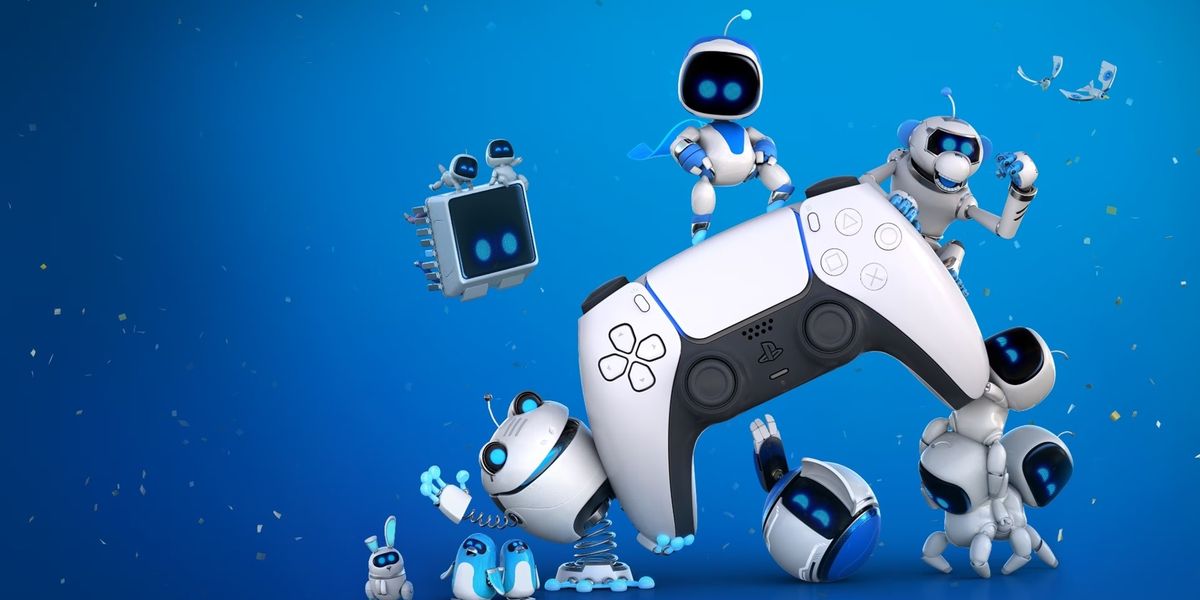
If you're holding off on buying a PlayStation 5 because its successor might be fast approaching, there's no need to panic. While rumours have been swirling that a next-generation console could be coming as soon as next year, Sony Chief Executive Hiroki Totoki confirmed to The Wall Street Journal that a final launch date hasn't been settled.
That's quite a surprise since console generations typically last around six to seven years, and the PlayStation 5 launched on November 12, 2020, meaning we'd expect a sequel to be finalised. Microsoft has already confirmed some details about its next console, codenamed Project Helix internally, and revealed that game developers will get their hands on beta versions of the boxes early next year to start working on new titles.
Sony hasn't revealed any details about the timeline for its PlayStation 6, which makes sense if the Chief Executive Totoki isn't even sure what date has been earmarked for the next release. There could be a swathe of different factors impacting this decision — or lack thereof.
The global shortage of critical components caused by the rapid expansion of Artificial Intelligence (AI) data centres has sent prices skyrocketing. Sony has been forced to hike PlayStation 5 console prices twice twice, and XBOX consoles increased earlier this month. It's not just consoles, with new handsets from Samsung and Google noticeably pricier than previous entries, with price hikes to iPad and Mac models from Apple, and Microsoft laptops.
With no sign of component costs dropping anytime soon, it might simply not be doable to build a console for a reasonable price at the moment. Another potential factor could be Sony's controversial decision to end production of its discs for PlayStation games from 2028 onwards, which has caused consternation amongst players.
With disc production shuttered and more than 80% of Sony's game sales now digital, it makes sense for the Japanese firm to hold-off releasing its all-digital console until after the deadline. As such, it seems unlikely we'll see a new PlayStation console until after 2028.
There could be another factor behind Sony's decision to ditch the discs. According to Piers Harding-Rolls, who heads up games research at entertainment analytics firm Ampere Analysis, believes an all-digital console could help Sony keep the price tag under $1,000, roughly £750. Mr Harding-Rolls believes Sony could subsidise the console itself knowing it'll recoupe a lot of that lost revenue from digital game sales and PlayStation Plus subscriptions.
Unlike games on physical discs, there's no way for players to recoupe any money from games by trading-in finished games to put towards a new purchase, lending to friends, or selling old discs on the second-hand market. With no need to manufacture a disc and ship to stores around the world, profit is higher on digital sales.
Mr Harding-Rolls admits that removing the optical drive won't make a huge difference to manufacturing costs on its own. But Sony could absorb some of the remaining expense by treating the hardware as part of a broader digital ecosystem. A console priced at $1,000 or beyond would limit who could actually afford to buy it, which is something Sony will want to avoid. There's another factor that might explain why Sony isn't in a rush to get the PS6 out the door.
Under the leadership of Chief Executive Hiroki Totoki, Sony has moved away from producing hardware like smartphones, Smart TVs, and cameras. The firm now concentrates far more on entertainment and intellectual property instead. Games, films, and music now bring in the majority of Sony's earnings. That shift means the company isn't under the same pressure it once was to push out new console hardware quickly.
According to Digital Trends, this fundamental change in Sony's business model is playing a meaningful role in how the company approaches its next generation of gaming hardware. It explains: "Sony can take its biggest gaming franchises and turn them into movies and TV shows, while properties such as The Last of Us and God of War continue generating value outside the console itself. The company is essentially building a flywheel where successful PlayStation IP can keep making money even when there isn’t a new console on the shelves."
As such, you might be waiting longer than expected, but Sony's priorities have clearly changed since the last console launch. For now, there's still a lot we don't know about the PS6, including its final specifications, pricing, and exactly when it'll arrive.